The field team

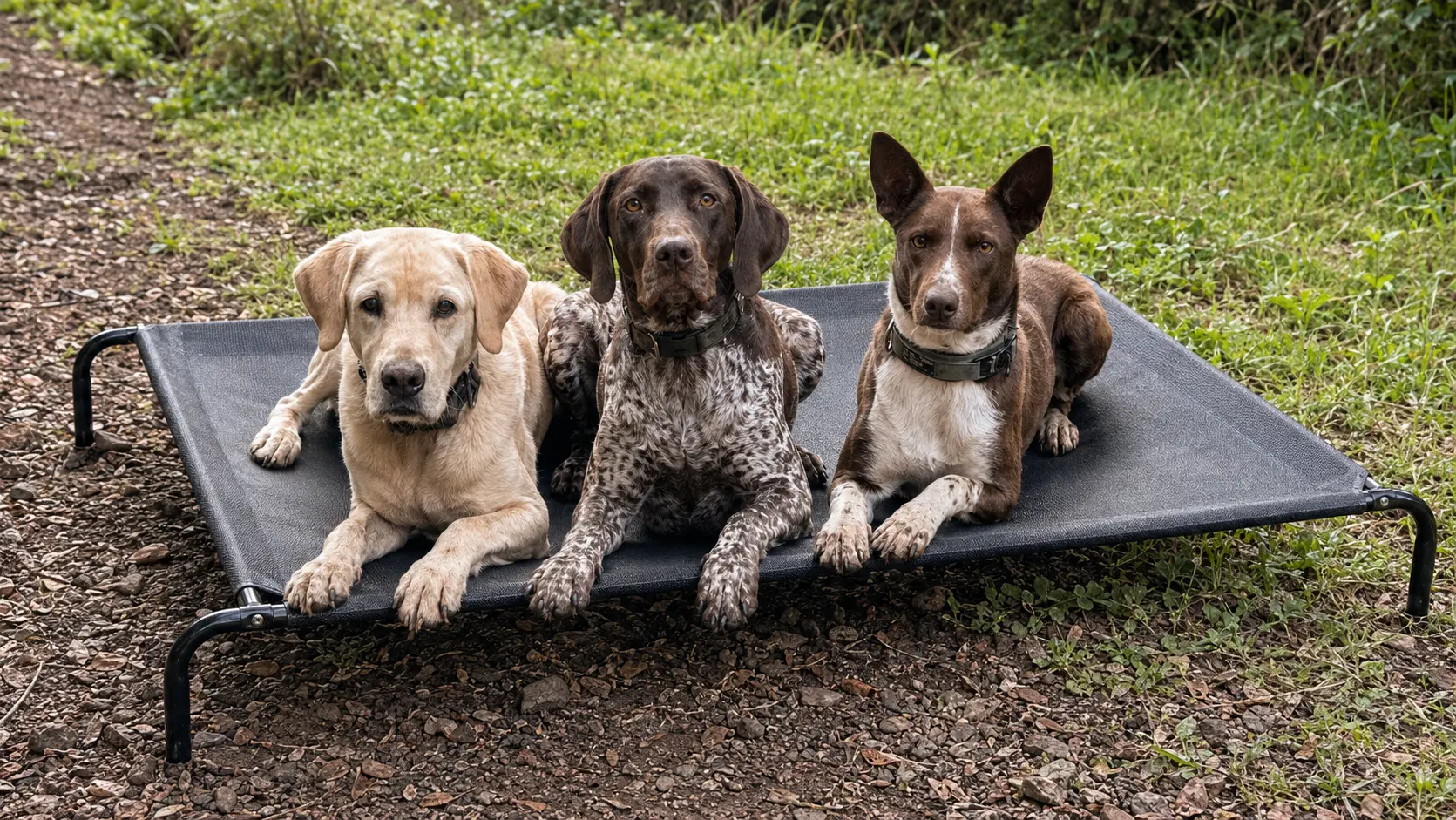
Three noses. Three working styles.

IkaIka, Manu, and Slater posing together on an outdoor dog cot
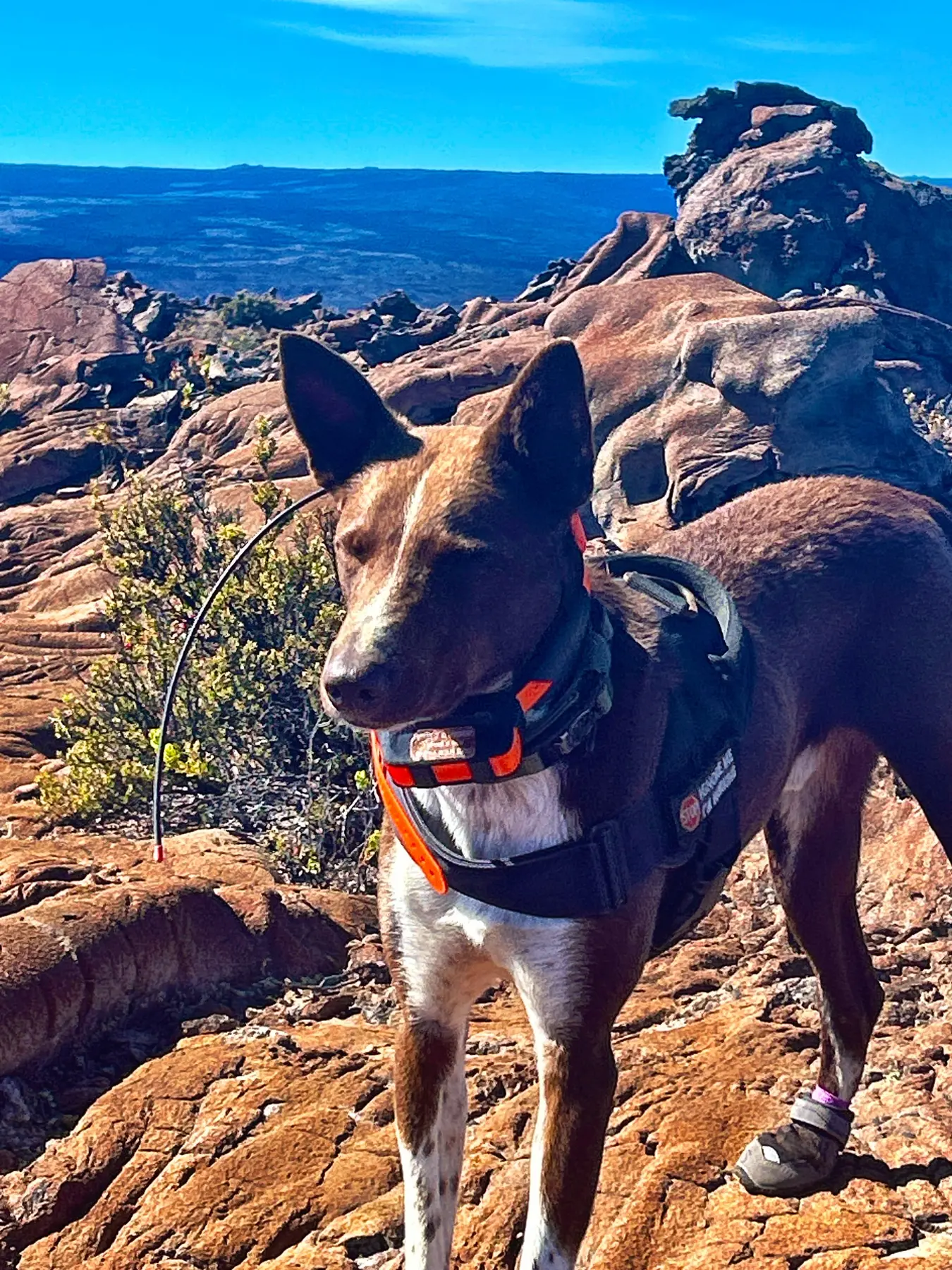
Slater, McNabb collie

McNabb collie

Slater

Endangered seabird specialist

Athletic, persistent, and at home on open lava, Slater searches for scent emerging from deep volcanic crevices. He works across high-elevation seabird habitat where visual evidence may be nonexistent.

Current assignmentʻAkēʻakē + ʻUaʻu (Hawaiian petrel)—endangered seabirds
Field highlightFirst confirmed ʻakēʻakē nest and fledgling in Hawaiʻi Volcanoes National Park
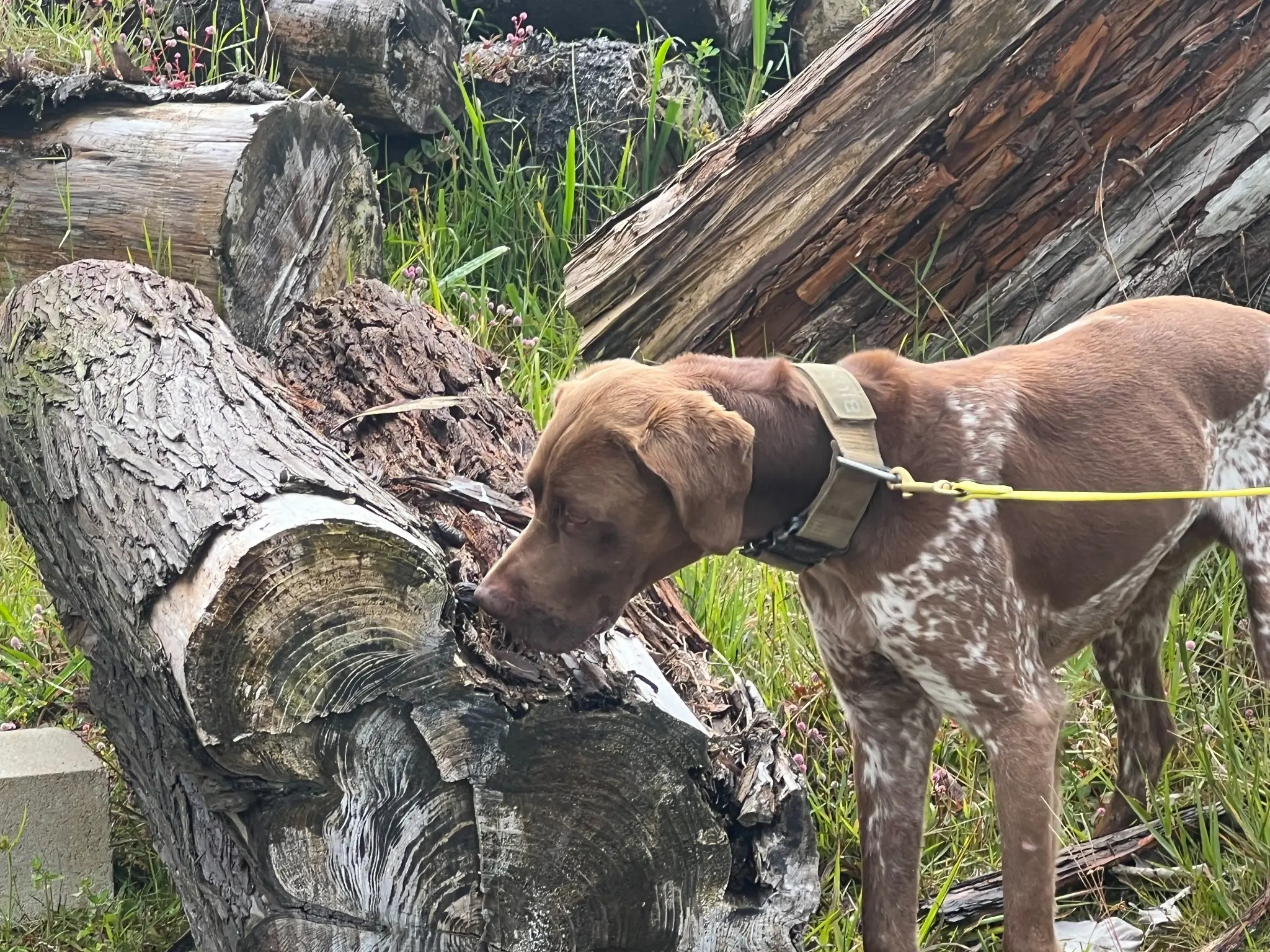
Manu, French Pointer

French Pointer

Manu

Invasive-species specialist

Manu brings a powerful hunting nose and methodical search style to coconut rhinoceros beetle work. His searches support detection of cryptic larval odor in green waste, yards, garden stores, potted plants, and other potential breeding habitat.

Current assignmentCoconut rhinoceros beetle larvae
Field highlightRapid-response and community survey work across Hawaiʻi Island and Molokaʻi
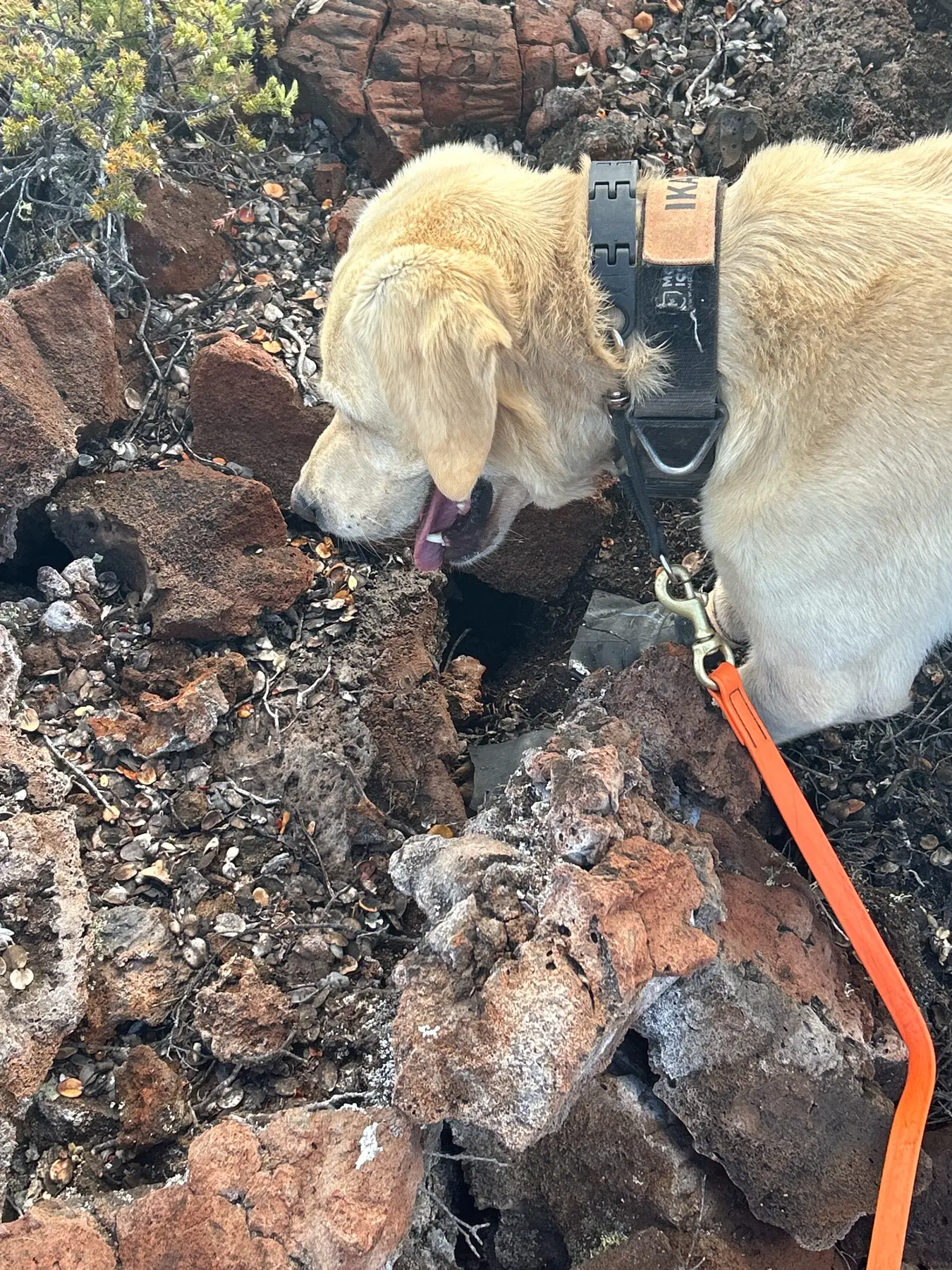
IkaIka, Yellow Labrador retriever

Yellow Labrador retriever

IkaIka

Endangered seabird specialist

Steady, social, and strongly motivated, IkaIka works endangered-seabird searches with focus and intensity to find the target. He located the first ʻakēʻakē nesting sites in Mauna Loa Forest Reserve.

Current assignmentʻAkēʻakē field surveys
Field highlightFirst ʻakēʻakē nesting sites in Mauna Loa Forest Reserve

A dog’s nose is extraordinary. Reliable detection still depends on the system built around it.

Hawaiʻi Detection Dogs are raised to love working. Each dog is imprinted on target odor and trained progressively to stay focused in complex environments, work past distractions, and find your target.

Field welfare comes first: heat, substrate, fatigue, hydration, protective gear, and recovery time determine how and when the team works.

Reward-based trainingBlind trialsGPS search tracksEnvironmental proofingField-welfare planning

Project inquiry

Need to know whether a K9 team fits your target?

A short feasibility conversation can identify the odor, habitat, evidence needs, and most useful next step.

Email Michelle