Field services

Searches designed to answer real management questions.

A detection dog is not a stand-alone instrument. Strong results come from pairing the right dog-handler team with careful target development, field design, validation, data collection, and honest interpretation.

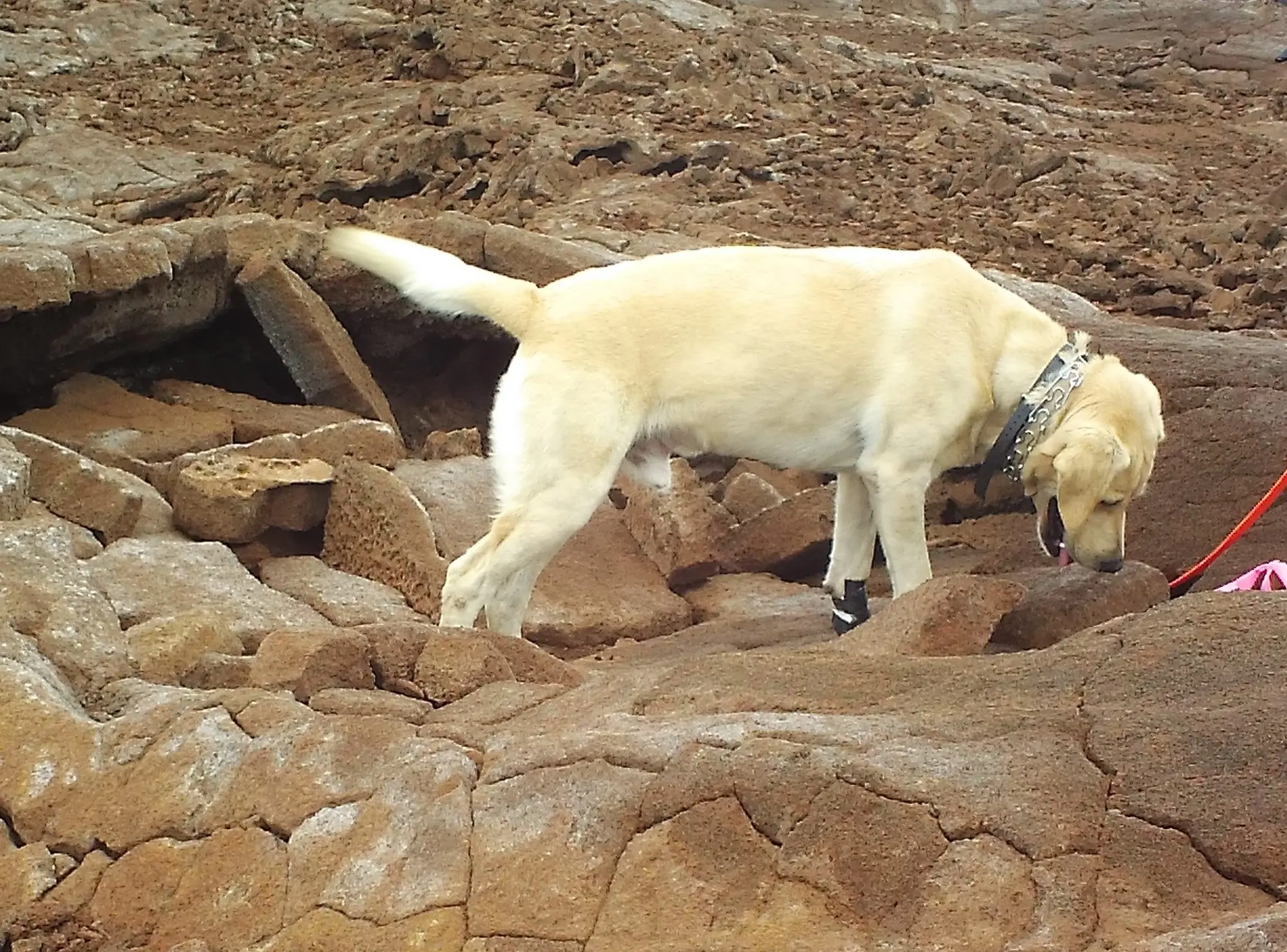
IkaIka actively searching fractured lava for endangered seabird nest sites

Integrated services

From first question to final field report.

Services can stand alone or be combined into a complete detection program for agencies, consultants, researchers, landowners, and biosecurity teams.

01

Training aid development

Ethical, documented development from odor acquisition through operational proofing.

  • Training-aid design, handling, storage, and records
  • Target odors and representative local distraction odors
  • Odor imprinting, discrimination, generalization, and proofing
02

Survey design + technical support

Scientific support for where, when, and how to search—and what can reasonably be concluded from the result.

  • Study plans, sampling frameworks, and detection probability
  • Blind trials, controls, performance metrics, and QA/QC
  • Data summaries, reports, and management recommendations
03

K9 field surveys

Training and operational searches are tailored to increase detection probability and find the target odor.

  • Reconnaissance, presence, and rapid-response searches
  • Remote, rugged, and logistically complex field settings
  • GPS tracks, indications, effort, conditions, and field notes
04

Program review + consultation

Independent ecological and canine-detection review for planned or existing survey programs.

  • Feasibility and pilot-project planning
  • Protocol and contractor-work review
  • Third-party QA/QC and K9-team efficiency trials
  • HCP, NEPA, wildlife-fatality, and compliance experience
Applications

What we have found—and what we want to help find next.

“Partner sought” identifies promising applications, not completed operational capabilities. New targets begin with a feasibility conversation and appropriately permitted pilot work.

Active

Endangered seabirds

ʻAkēʻakē and ʻUaʻu (Hawaiian petrel) nest-site searches for endangered seabirds across remote, fractured, high-elevation lava.

Active

Coconut rhinoceros beetle

Larval odor detection and rapid-response surveys in green waste, yards, and suspected breeding habitat.

Demonstrated

Avian botulism

Research-tested canine carcass detection for early surveillance and mitigation in dense wetland vegetation.

Demonstrated

Yellow crazy ants

Biosecurity surveillance across Johnston Atoll after a major invasive-ant eradication effort.

Demonstrated

Forest pathogens

Odor-recognition trials for Rapid ʻŌhiʻa Death and potential future plant-disease applications.

Partner sought

ʻŌpeʻapeʻa

Development opportunities for Hawaiian hoary bat detection questions, remains, roosts, or research samples.

Partner sought

Sea turtle nests

A candidate application for nest-location and monitoring questions where reliable odor sources and permits align.

Partner sought

Pueo nests

Exploratory K9 applications for cryptic ground-nest detection and habitat-management needs.

Partner sought

Water leaks + utilities

Non-wildlife detection applications where canine olfaction could narrow costly searches.

Other candidates include cryptic plants and animals, invertebrates, wildlife remains, fungal and plant pathogens, invasive species, biosecurity threats, and defined infrastructure odors.

Project inquiry

Let’s talk about what you need to find.

Share the target, habitat, location, timeline, and decision your survey needs to support.

Email Michelle